

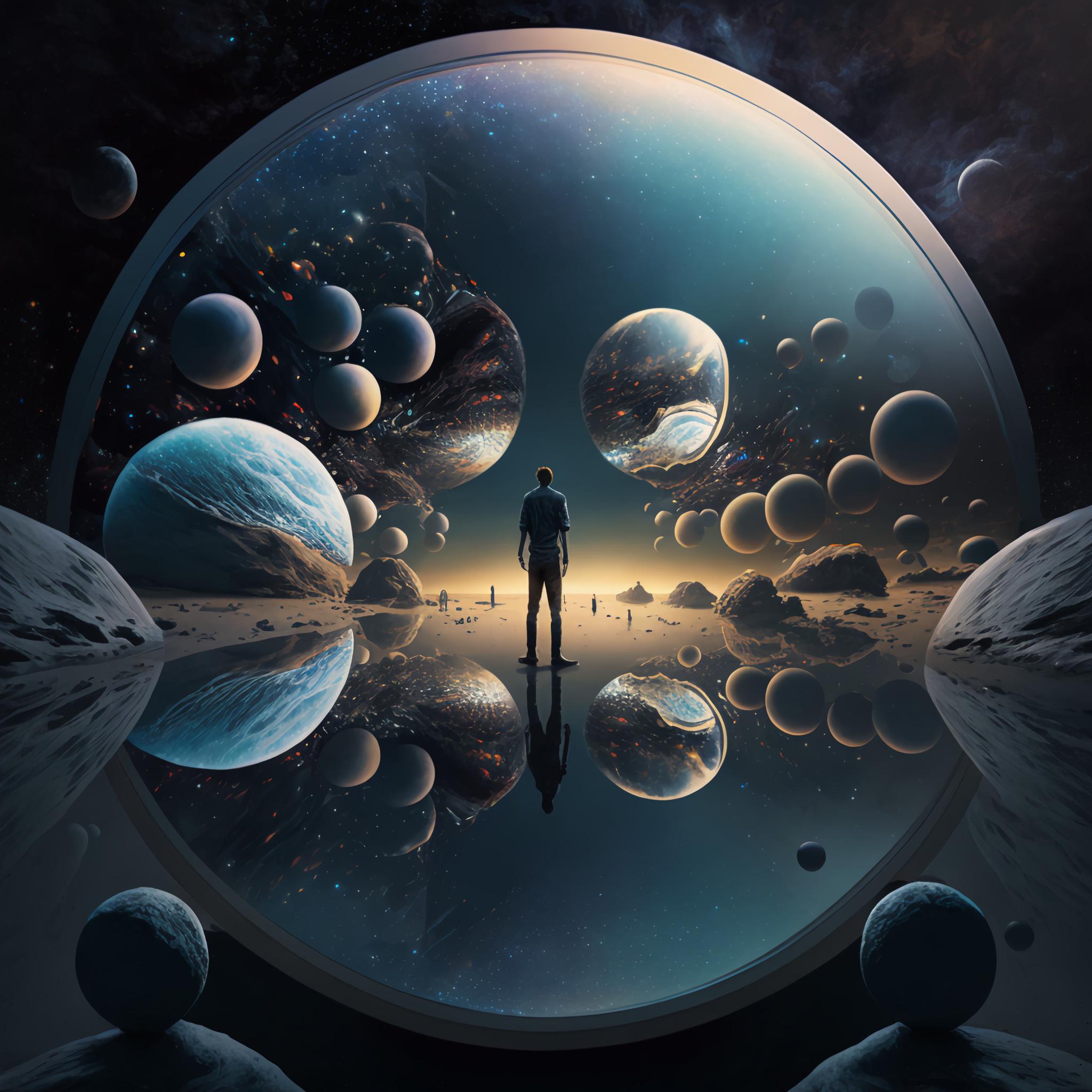
There is a simplicity so immediate, so naked, that the mind refuses to sit still with it. That simplicity is Is. Not “what is.” Not “why is.” Just Is.
1. “Is” Is Reality
Before thought, before language, before memory rushes in to narrate your life—there is Is. The hum of the refrigerator. The ache in your knee. The breath entering and leaving without asking permission. The flicker of irritation. The surge of love. All of it—without commentary—is Is. Reality is not an object. It is not a thing sitting “out there.” Reality is this unbroken immediacy appearing as everything. Not divided. Not packaged. Not labeled. Just happening. Just being. Just Is.
2. There Is No “It” in “Is”
The moment we say “it,” we’ve already stepped out of the immediacy. “It” turns the living stream into an object. “It” implies distance. “It” implies subject and object. “It” implies a knower standing apart from the known. But in the rawness of Is, there is no separation. There is no observer outside the experience. The breath is breathing. The hearing is hearing. The thinking is thinking. No one owns it. No one stands apart from it. There is no “it” in Is.
3. “It” Separates What Is
The mind cannot help itself. It names. “It’s a tree.” “It’s pain.” “It’s enlightenment.” “It’s me.” The instant we say “it,” the seamless field fractures. We carve up the indivisible into conceptual slices and call that understanding. Language is useful. It helps us cross streets and pay bills. But spiritually speaking? It’s a map, not the terrain. And here’s the kicker: we start believing the map is the territory. “It” creates a mental object. Is does not.
4. “It” Is a Label. “Is” Is Not.
Labels are guesses. Sometimes sophisticated guesses. Sometimes scientifically peer-reviewed guesses. Sometimes spiritual guesses wrapped in incense and robes. Still guesses. “It” is the mind’s attempt to freeze a living river into a noun. But Is cannot be frozen. Is is not a label. Is is not a concept. Is does not need to be understood. Is just is. It doesn’t announce itself. It doesn’t defend itself. It doesn’t require agreement. It is prior to belief.
5. “Is” Is Continuous and Never Separates
Notice this carefully. Experience is continuous. Even when you say, “I was unconscious,” there was continuity. Even sleep is a mode of Is. Even confusion is Is. Even doubt is Is. The field does not fracture. Only thought does. “Is” does not divide itself into sacred and profane. It does not split into good and bad, enlightened and ignorant, worthy and unworthy. Those are overlays. Is is empty of It. Empty of conceptual boundaries. Empty of ownership. Empty of separation. And because it is empty in this way, it can appear as everything.
6. “It” Is a Best Guess of What Is
Here’s where it gets humbling. Every theory. Every doctrine. Every identity. Every spiritual attainment. Best guess. Even the most refined philosophical system is still “It.” Even the most subtle meditation experience that you say, “That was it!” — is already memory. Already concept. Already division. “It,” no matter how intellectually precise, is ignorant of Is. Not stupid. Not malicious. Just structurally incapable. Why? Because “It” depends on distance. And Is has none.
The Magic
So what is the magic of Is? It’s this:
You cannot fall out of it. You cannot improve it. You cannot escape it. You cannot capture it. You are not standing in front of Is. You are not observing Is. You are not seeking Is. You are Is. Before the label. Before the story. Before “me” and “it.” And when this is seen—not as a concept, but as the obvious—something relaxes. The compulsive need to define dissolves. The obsession with getting it right softens. The battle with reality loses fuel. What remains? Is. Simple. Immediate. Boundless. No “it” required. — Pema Vajra